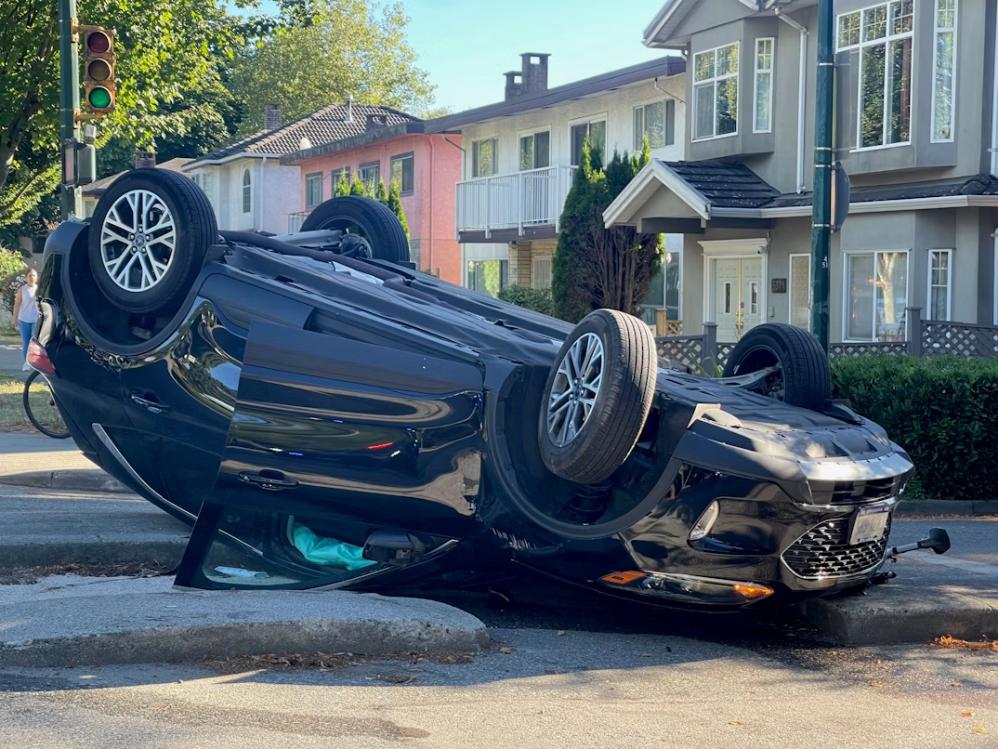
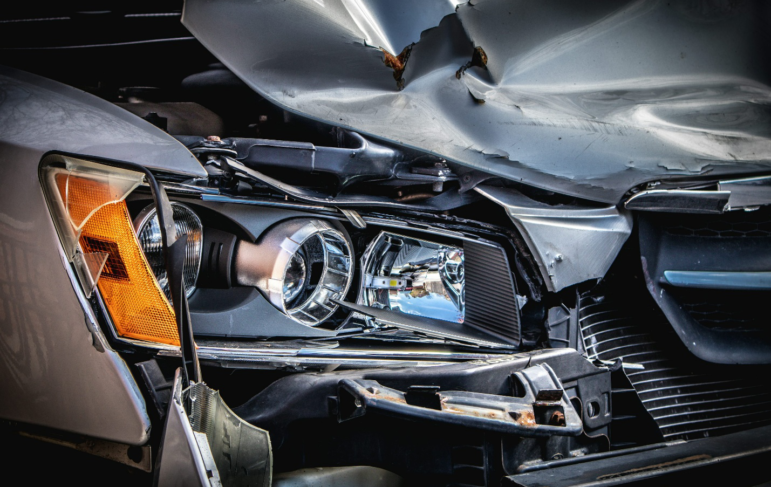
Driving in bad weather is never easy. Rain reduces visibility and tire traction. Fog can turn a clear highway into a guessing game. But when a crash happens in bad weather, a lot of drivers assume it’s just an “act of nature”—no one’s fault. That’s not always true. Weather-related car accidents often involve negligence, and proving fault can get complicated fast.
Here’s what a family law attorney needs you to know:
How Bad Weather Changes the Rules of the Road
When you’re behind the wheel in heavy rain or thick fog, the normal rules don’t magically disappear. In fact, drivers are expected to be more careful in poor conditions. California law requires drivers to adjust their behavior based on the weather. That means slowing down, increasing following distance, using headlights properly, and avoiding sudden lane changes. If a driver fails to do these things, they can absolutely be held liable for an accident—even if the weather was bad.
Imagine you’re driving the speed limit during a rainstorm, but your car hydroplanes, and you hit another vehicle. You might think, “Hey, I was following the law!” But the reality is safe driving isn’t just about sticking to posted speed limits. It’s about using reasonable care under current conditions. If a “reasonable driver” would have slowed down more in that situation, you could be found at fault.
What Counts as Driver Negligence During Bad Weather?
Negligence happens when someone fails to use reasonable care, and someone else gets hurt as a result. In the context of weather-related car accidents, common examples include:
- Driving too fast for the conditions, even if under the posted speed limit
- Not using headlights in low-visibility situations
- Following other vehicles too closely
- Failing to clear windows and mirrors properly
- Making unsafe lane changes
- Ignoring traffic signals or stop signs that are harder to see in the fog or rain
If you’ve been hit by someone who ignored these basic safety rules, you have every right to pursue compensation. But you’ll need to prove they were negligent—and that can be tricky when the weather is involved.
The Challenges of Proving Fault in Weather-Related Car Accidents
Proving fault after a crash in bad weather can feel like an uphill battle. Insurance companies often try to shift blame to “the conditions” instead of the driver. You’ll need strong evidence to show that negligence, not just bad weather, caused the collision.
Key types of evidence include:
- Witness statements: People who saw the crash can describe how the other driver behaved.
- Police reports: Officers often include their own observations about speed, vehicle position, and driver actions.
- Surveillance footage: In some areas, traffic cameras or nearby business cameras might catch the accident.
- Expert testimony: Accident reconstruction experts can explain how speed, braking, and road conditions played a role.
Without strong evidence, your case may turn into a “he said, she said” situation, which benefits the insurance company, not you. This is why legal help is important if you’re serious about getting the compensation you deserve.
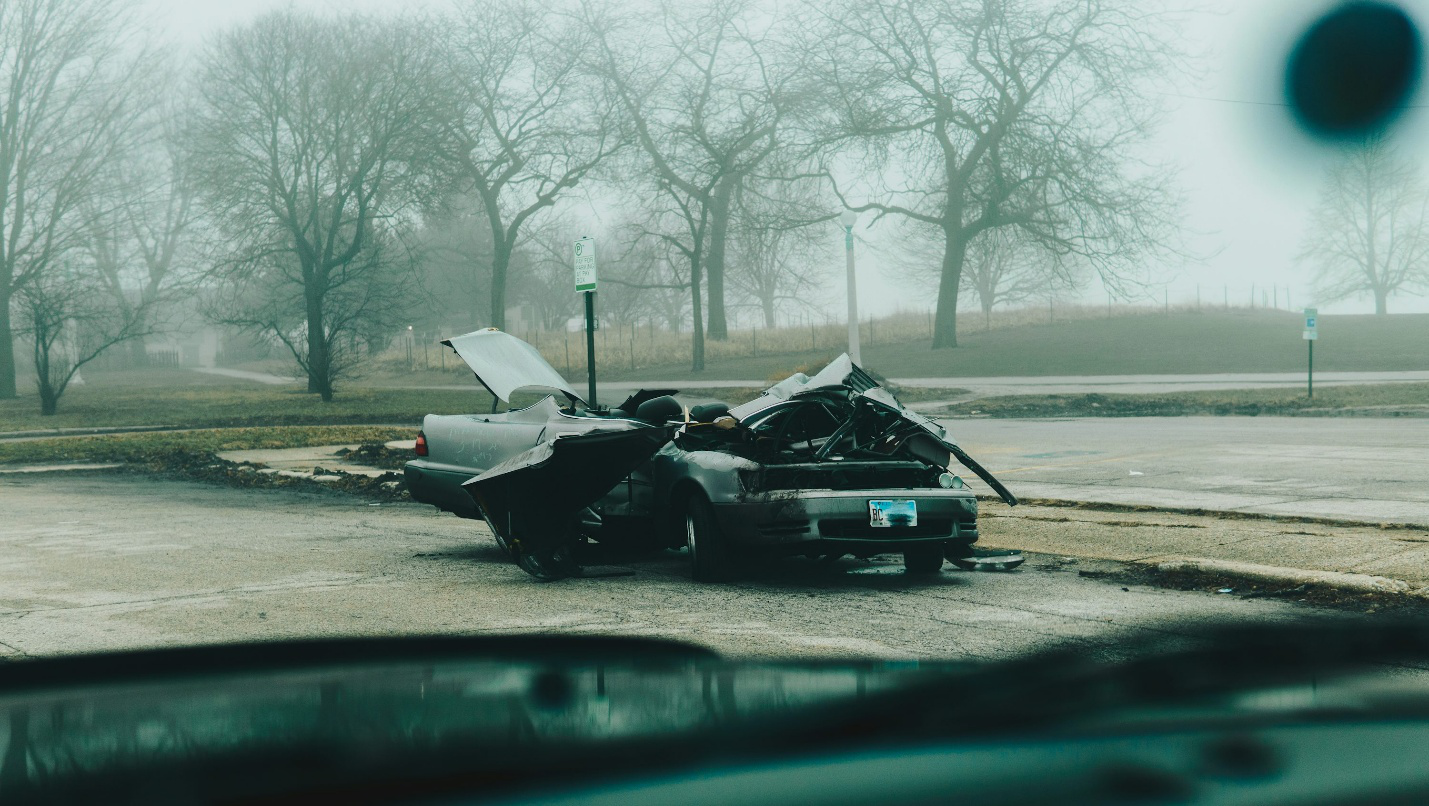
Picture2
Protect Yourself After Weather-Related Car Accidents
Bad weather does not excuse bad driving. If another driver fails to act responsibly during rain, fog, or other dangerous conditions, they can be held legally and financially accountable. After weather-related car accidents, you deserve fair treatment—and a real chance to recover what you’ve lost.
If you need legal help, the Marquez Law Office offers full support for personal injury claims, family law matters, car accident settlements, probate cases, and more in Chico.
Contact us by calling (530) 332-8110 to get a professional attorney.