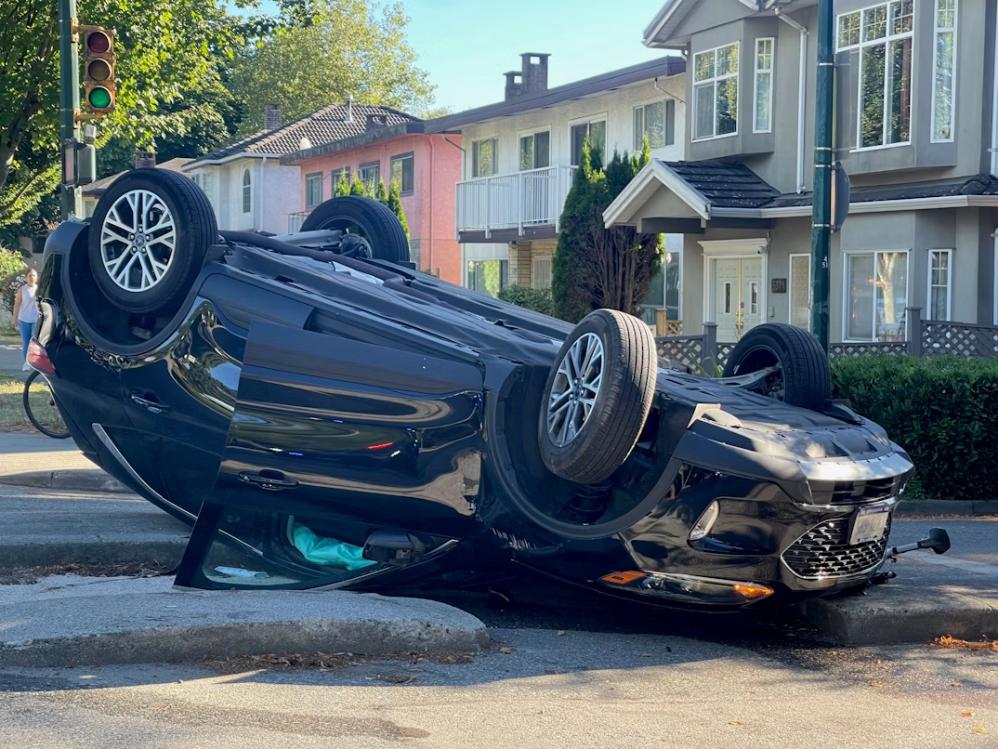
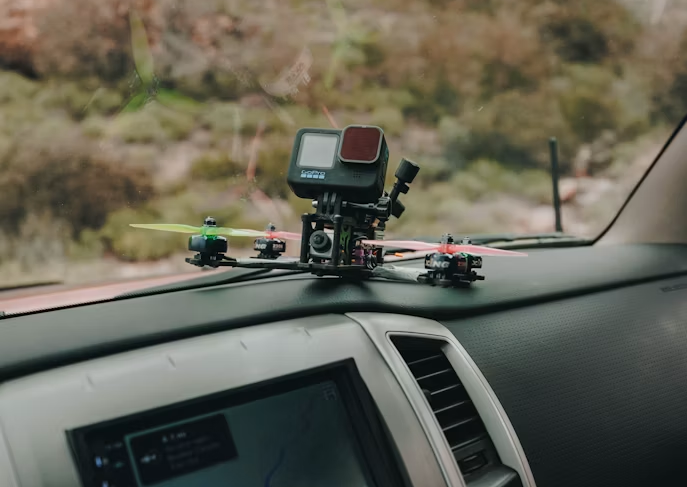
Modern vehicles do more than carry people from one place to another. They also record information that can help explain what happened during a crash. The U.S. Department of Transportation has reported that NHTSA estimated about 96 percent of model year 2013 passenger cars and light-duty vehicles already had event data recorder capability.
That matters because vehicle accident evidence can now include speed, braking, driver inputs, airbag deployment, and other data that may support or challenge an accident claim.
For injured drivers and passengers, this can make a real difference. When fault is disputed, technology may help confirm what witnesses missed and what drivers remember differently.
What Counts as Vehicle Accident Evidence?
Vehicle accident evidence can come from several digital sources. These may include dashcam footage, event data recorders, GPS logs, infotainment systems, and connected vehicle alerts.
Each source tells part of the story. Together, they can help show how fast a vehicle was moving, when braking began, where the vehicle traveled, and how severe the impact was.
Event Data Recorders Can Show Key Crash Details
An event data recorder, often called a vehicle black box, stores technical information around a crash. This may include pre-crash speed, throttle use, brake application, seat belt status, airbag deployment, and crash force.
A car accident attorney may use this data to test each driver’s version of events. If one driver claims they were stopped, but the recorder shows movement before impact, that information can affect liability.
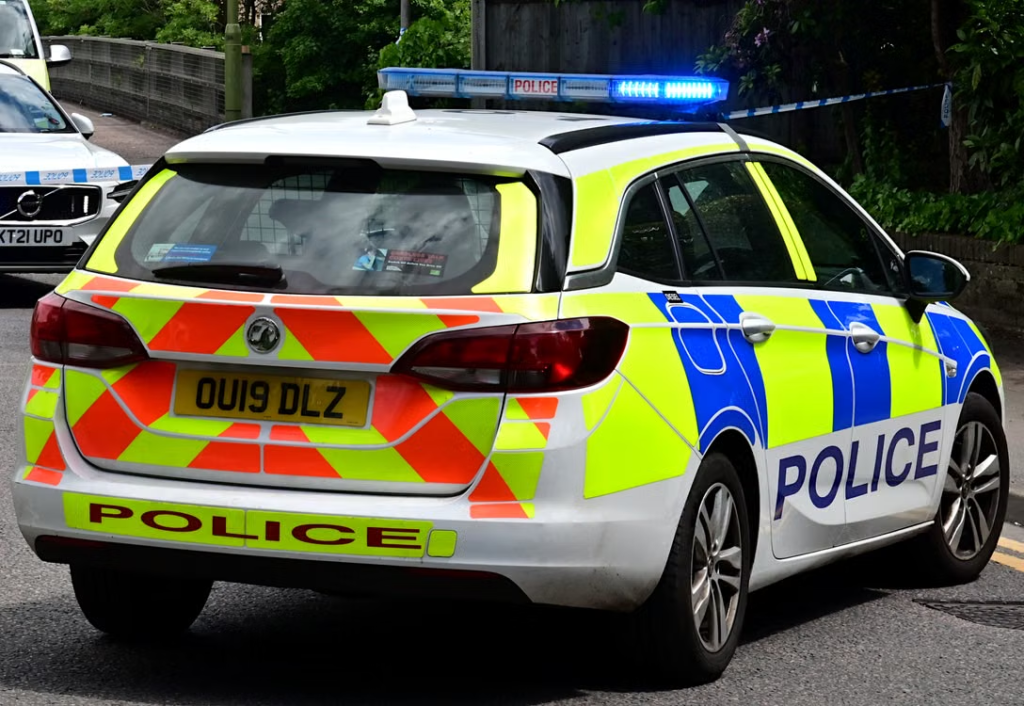
Police car on the road representing accident investigation and legal claim evidence
Image Caption: Police reports, vehicle data, and witness accounts can all affect accident claim settlements.
Dashcams Can Capture What Data Cannot
Dashcams provide visual proof. They may show lane changes, traffic light status, sudden stops, distracted driving, road hazards, or aggressive behavior.
This footage can be highly useful during accident claim settlements because it reduces guesswork. It may also support witness statements and police reports.
GPS and Connected Vehicle Data Add Context
GPS data can help confirm location, route, speed patterns, and timing. Connected vehicle systems may also record alerts, emergency braking events, or collision warnings.
In some cases, this information can help show whether a driver had time to react or whether unsafe conduct occurred before the crash.
Technology Can Strengthen Settlement Negotiations
Insurance companies rely on evidence when evaluating claims. Strong digital proof can increase negotiation leverage and help support fair car accident settlements.
A car accident attorney can request, preserve, and review this data before it is lost or overwritten. Acting quickly matters because some systems store information for a limited time.
Protect Your Claim with Ron Marquez Law Corp
Digital evidence can make a major difference after a crash, but it must be preserved and reviewed the right way. As a trusted general practice firm in Chico, CA, Ron Marquez Law Corp helps clients gather vehicle accident evidence, review insurance claims, and pursue fair car accident settlements.
Our car accident attorney understands how technology can affect liability and settlement value. We also offer a free case evaluation, giving you the chance to discuss your accident, ask questions, and understand your legal options before moving forward. Contact us now.