

When someone dies owning property in their sole name and has no trust, the California probate process usually determines who receives it. Here, we walk through how a court oversees the transfer, confirms that debts are paid, and gives final approval before heirs or beneficiaries receive anything.
Which Estates Must Go Through Probate
Not every estate needs a judge. Under Probate Code Section 13100, heirs can collect personal property with a small estate affidavit once 40 days have passed, if probate assets stay under an inflation-adjusted limit.
The limit covers personal property only, so real estate is handled differently, and a modest primary home may qualify for a shorter court petition. Larger estates generally require formal probate.
Opening the Case and Naming a Personal Representative
Formal probate begins with a petition in the county Superior Court. A will names an executor; without one, the court appoints an administrator, usually a relative, while intestacy rules determine who inherits. Our expert wills and trusts attorney can help you clarify how these rules apply to an estate.
Once approved, the court issues letters giving the representative legal authority over the estate. The representative is then responsible for handling the estate through the probate process, including:
- Locating and managing estate assets
- Giving required notice to heirs and beneficiaries
- Addressing creditor claims
- Paying valid debts and estate expenses
Inventory, Creditor Claims, and Paying Debts
The representative locates and lists the estate’s assets, and a state-appointed probate referee appraises everything other than cash. Under Probate Code Section 9100, a creditor must file a claim by the later of four months after letters are first issued or 60 days after notice of administration reaches that creditor, which keeps the estate open until then.
Valid debts, final income taxes, and administration costs come out of estate assets before anyone inherits. Even simple estates often take close to a year.
Distribution and Closing the Estate
Once the claims period ends and debts are resolved, the representative asks the court to approve distribution, sometimes with a formal accounting of income and expenses.
Assets then pass:
You can expand that section to make the distribution process clearer without adding too much length:
- Under alast will, if one exists
- Under intestate succession if there is no will
- To the beneficiaries or heirs identified by the court
- After approved debts, taxes, and administration expenses are paid
- According to the court’s final order approving distribution
When distribution is complete, the court discharges the representative, and the case closes.
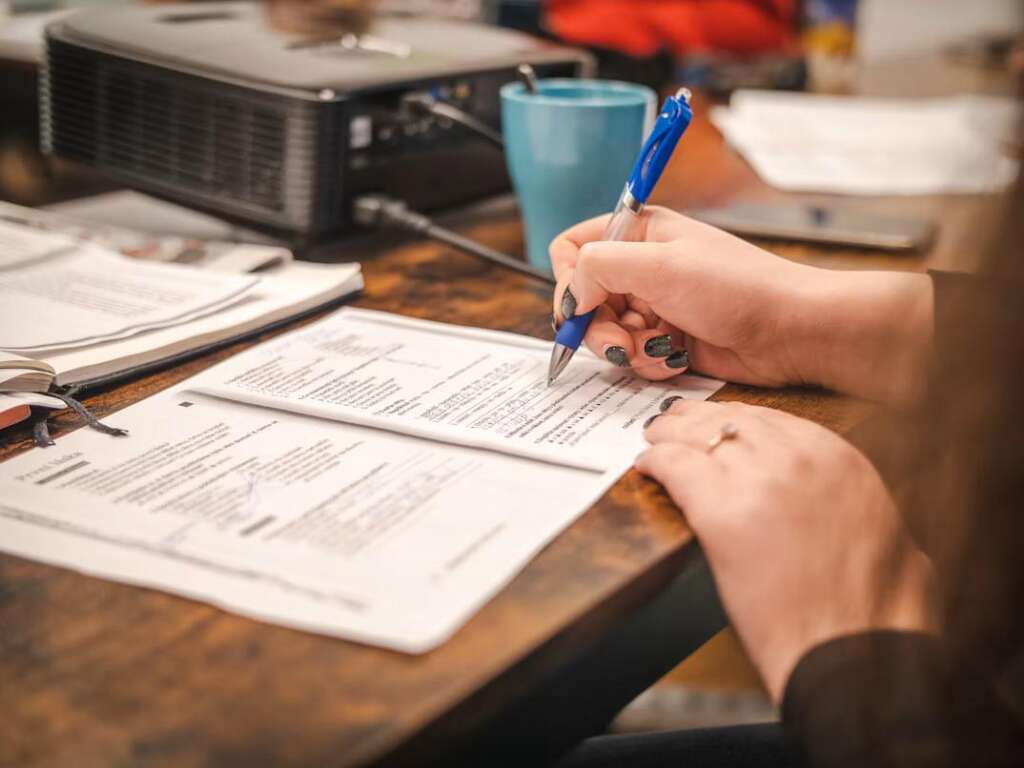
Reviewing estate documents helps the representative track assets, address debts, and complete the paperwork required during the probate process.
Where Legal Guidance Fits Into Probate
The steps follow a set order, but the paperwork and deadlines leave little room for error or personal liability. You can hire our professional probate lawyers from Chico to assess whether an estate qualifies for a legal procedure or not.
Our estate planning and probate attorneys help you explore estate planning arrangements that may spare loved ones from probate later.
Have questions about your probate case? Contact Ron Marquez Law Corp and speak with our team about the next steps.