Arbitration first, in most cases, because it costs nothing and the decision binds you only if you accept it. A court claim stays open either way. Which route suits you depends on how complete your repair record is and what the manufacturer has already offered. Understanding how Lemon Law arbitration actually works is what turns that into an informed choice.
How a Certified Arbitration Program Works
State-certified programs are free and built to move faster than court. The Department of Consumer Affairs sets out that a decision is due within 40 days of the program receiving a claim, that an arbitrator can order an independent inspection at no cost to you, and that you may present your case in person, by phone, in writing, or online. Vehicle Lemon Law disputes are the core of what these programs handle.
Who Is Bound by the Outcome?
This is the part most drivers misread. The decision binds the manufacturer only if you accept it, and you are never obliged to accept. Reject it, and the claim can still go to court. That one-sidedness is why arbitration is rarely a closed door.
What to Settle Before You File
Four things are worth pinning down first:
- Your repair record:Whether every visit is documented with dates and mileage.
- The remedy you want:A further repair attempt, a replacement, or a refund.
- Your manufacturer’s program:Whether it runs a certified one at all.
- Incidental costs:Towing, rental, and similar expenses you have already paid.
Whether you have to use a program at all depends on your paperwork. The Federal Trade Commission explains that a manufacturer may require an informal dispute settlement attempt before a lawsuit, but only where the written warranty says so. Lemon Law for defective vehicles therefore moves differently from one brand to the next. Our post on what to check before signing a settlement covers the stage after that.
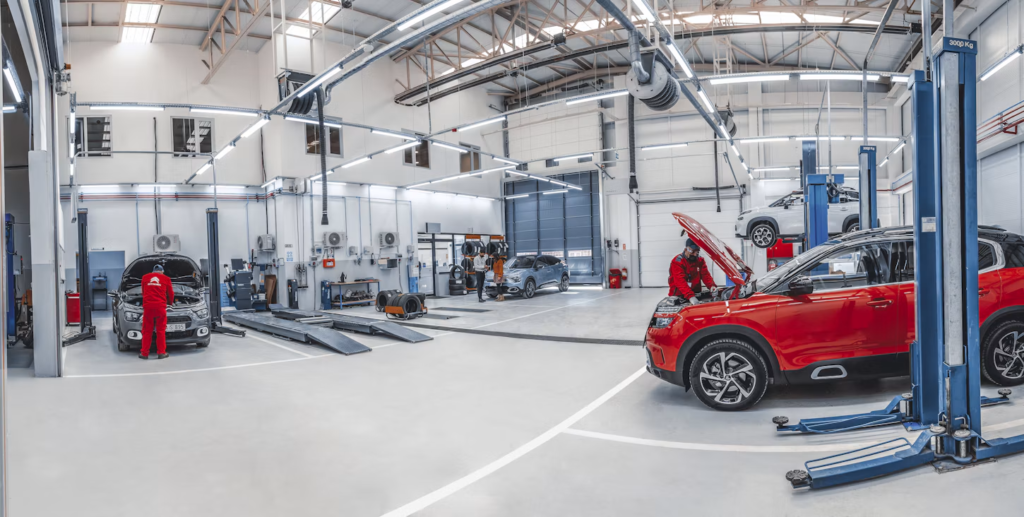
Every workshop visit becomes a line in the file an arbitrator reads. A Lemon Law lawyer checks that the file is complete before the hearing.
When Court Makes More Sense
Arbitration suits a clean record and a straightforward fault. It suits a complicated case far less well. Where the repair history spans several dealerships, where the defect is intermittent, or where the manufacturer disputes that the problem exists at all, a hearing built for speed can work against you. Nothing is lost by trying arbitration first, but going in without knowing which category your case falls into usually is.
Before You Accept a Decision
Our attorney at Ron Marquez Law Corp reads an offer against the repair file rather than on its own. Across Yuba County, drivers often accept less than the record supports because the process felt official. Lemon Law arbitration in Yuba is worth entering with that groundwork done. Talk it through with us before you decide.