
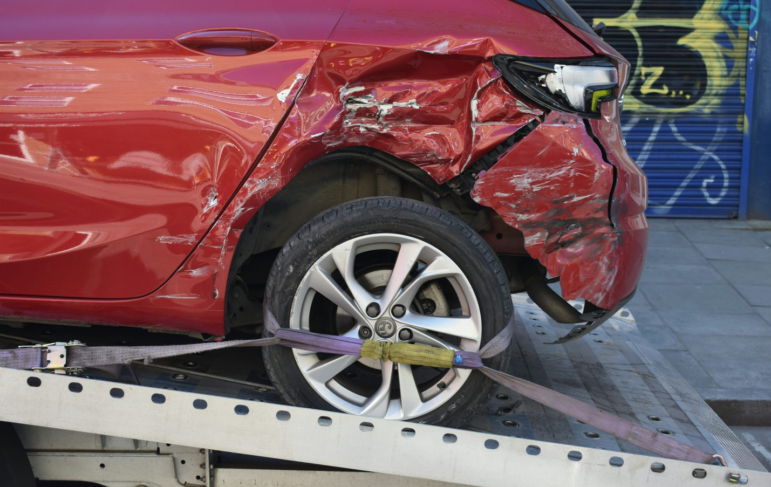
Being involved in multi-state car crashes brings extra complications. When an accident happens outside your home state, the laws you are used to might not apply. Every state has its own set of traffic rules, insurance requirements, and procedures for determining fault. Understanding how these differences affect your rights is important if you want to protect yourself and your claim. Here’s what a personal injury attorney needs you to know:
Which State’s Law Applies?
In a multi-state car crash, one of the first issues is figuring out which state’s law will govern the case. This is called “choice of law.” Typically, the state where the accident happened will have jurisdiction over your case. If you file a lawsuit, you’ll likely need to do it in that state unless both parties agree otherwise.
The insurance laws vary widely. Some states use a fault-based system, meaning the driver who caused the accident must pay damages. Others use a no-fault system, meaning each driver’s own insurance pays, no matter who was responsible. Knowing the difference matters because it affects what damages you can claim and whether you can sue the other driver at all.
Insurance Complications in Multi-State Crashes
Insurance coverage across state lines is not always straightforward. Your insurance policy will usually cover you in all 50 states, but how claims are handled can differ. In some cases, your insurance company may adjust your policy limits to meet the minimum requirements of the state where the crash happened.
Problems can arise if your insurer tries to deny part of your claim based on state-specific exclusions or limits. Also, if the other driver is from a different state, dealing with their insurer can add another layer of frustration. It is not uncommon for delays to happen when multiple state laws are involved in one claim.
Legal Rights and Responsibilities After a Multi-State Crash
Your rights after a multi-state car accident depend heavily on local laws. If you are in a comparative fault state, you may still collect damages even if you were partly to blame. In a contributory negligence state, however, being even slightly responsible can prevent you from recovering anything.
You must also consider deadlines. Every state has its own statute of limitations for personal injury claims. Missing a deadline because you assumed your home state’s rules applied could cost you your right to compensation. Getting proper legal advice quickly is the best way to avoid mistakes that can ruin your claim.

A wrecked car on a road after an accident with a police officer
Get Professional Help After Multi-State Car Crashes
Multi-state car crashes bring enough stress without adding confusion over legal rights and jurisdiction. If you are dealing with injuries, insurance issues, or questions about where and how to file your claim, getting legal support is essential.
Whether you need a Chico personal injury attorney, a property division attorney, or a family law specialist, the Marquez Law Office has the experience you can count on.
Contact us today.