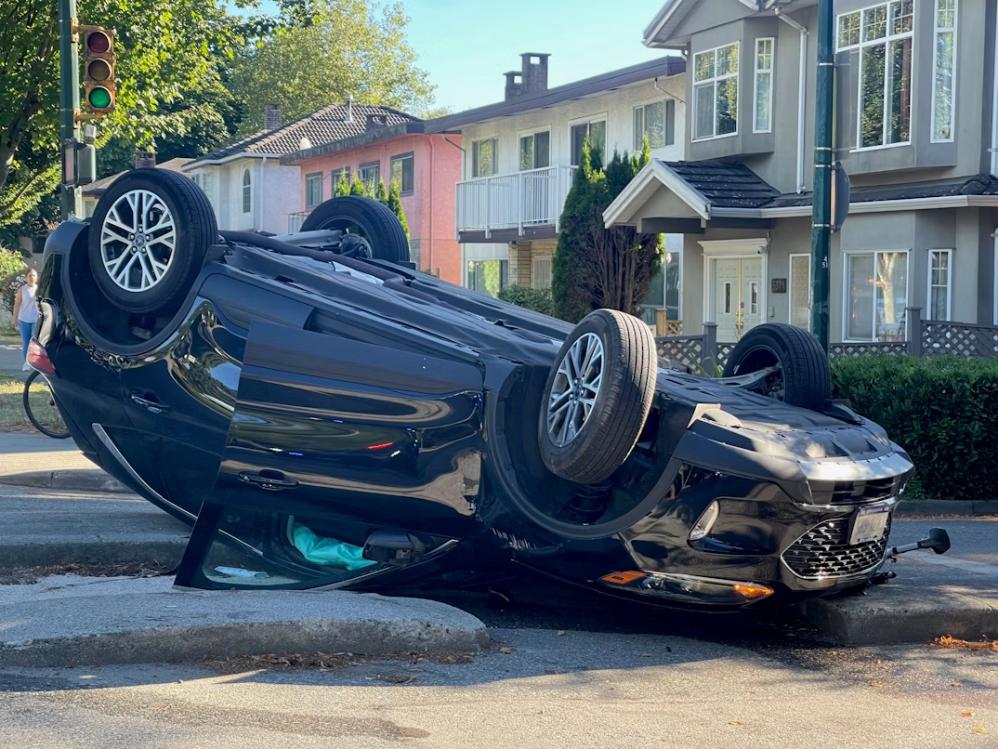

After a car accident, many people walk away believing they are “fine.” Adrenaline masks pain, and visible damage may seem minor. Days later, discomfort increases, but doubt sets in. You may question whether the pain is serious or whether you are simply overreacting. This pattern of downplaying injuries after a car accident is common and often harmful.
Understanding why people minimize their symptoms can protect both health and legal rights.
Adrenaline and Delayed Pain Responses
During a collision, the body releases adrenaline and cortisol. These stress hormones reduce pain perception and sharpen focus. Medical research shows that this response can delay symptoms of soft tissue injuries, concussions, and internal strain for hours or days.
When pain appears later, victims often assume it is unrelated. This leads to downplaying injuries after a car accident, especially if initial emergency care found no fractures. However, whiplash, muscle tears, and mild traumatic brain injuries frequently develop gradually. A car accident attorney often sees cases where delayed treatment creates challenges in proving the connection between injury and crash.
Early medical evaluation and follow-up care reduce this risk.
Social Pressure and Fear of Appearing Dramatic
Many people avoid seeking help because they fear judgment. Friends or family may say, “It was just a small crash.” Insurance adjusters may ask questions that imply exaggeration. These outside influences contribute to downplaying injuries, even when symptoms persist.
Social expectations also play a role in work settings. Employees may return to work too quickly to avoid appearing unreliable. Over time, untreated injuries can worsen, leading to chronic pain or extended recovery periods. Listening to outside opinions instead of medical advice can weaken both recovery and compensation.
Self-doubt and Psychological Impact
Accidents create confusion and emotional shock. When physical injuries are not visible, victims may question their own experience. Headaches, dizziness, or anxiety may feel difficult to measure.
Medical professionals recognize that soft tissue injuries and concussions may not appear on standard scans. Persistent symptoms still require treatment and documentation. A personal injury attorney evaluates both physical and emotional harm when pursuing accident settlements.
Ignoring symptoms rarely resolves them. It often leads to longer recovery and greater financial strain.
Financial Concerns and Insurance Tactics
Financial pressure also influences decisions. Some victims avoid follow-up care because they worry about medical costs. Others accept early settlement offers before understanding the full extent of their injuries.

Self-doubt and social pressure often lead to downplaying injuries after a car accident. Understand the signs and protect your health and claim.
Insurance companies benefit when claimants minimize symptoms. Adjusters may ask whether you are “feeling better now” or suggest that treatment is unnecessary. Without legal guidance, these conversations contribute to lower claim settlement amounts.
Ron Marquez Law Corp Protects your Voice
Self-doubt should never determine the value of your recovery. Ron Marquez Law Corp understands how downplaying injuries after a car accident can affect both health and compensation. As an experienced car accident and personal injury attorney, our firm builds claims on documented medical evidence and clear timelines to support fair personal injury settlements in Chico.
If you have questioned your symptoms or delayed treatment after a crash, now is the time to act. Contact Ron Marquez Law Corp today to discuss your situation and protect your right to full compensation.