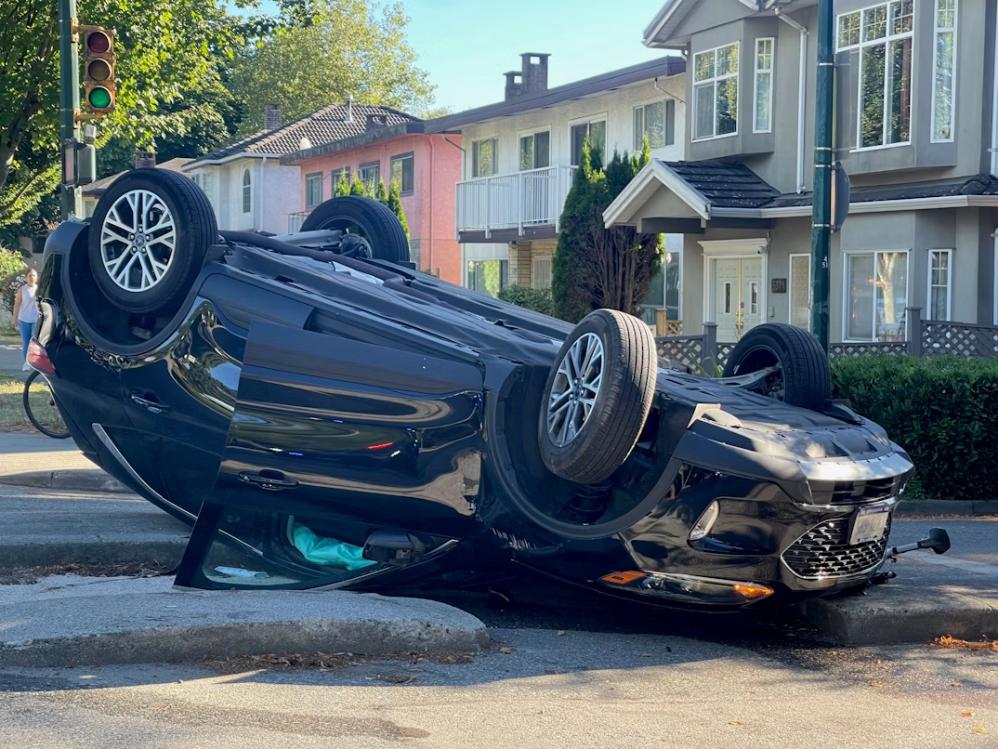

The moments following a car crash often involve a surge of adrenaline that masks pain and clouds judgment. This physiological response frequently leads victims to walk away from the scene, claiming they are “fine,” only to experience debilitating symptoms days or weeks later. This delay in seeking medical attention is more than just a personal choice; it is a clinical and legal phenomenon often referred to as post-accident hesitation syndrome. By the time the shock wears off and the true extent of the damage surfaces, the window for an uncomplicated recovery and a straightforward insurance claim may have already closed.
The physiological and psychological mask
Shock and adrenaline serve as nature’s painkillers, temporarily dulling the sensation of torn ligaments or internal bruising. Furthermore, many people experience a psychological barrier to seeking help, driven by a desire to “get back to normal” or a fear of high medical costs. This post-accident hesitation syndrome causes individuals to prioritize property damage over physical health. However, waiting even forty-eight hours can allow a minor neck strain to evolve into chronic pain. Seeking immediate evaluation ensures that “invisible” injuries like concussions or soft tissue tears receive the documentation required for future personal injury settlements.
Impact on claim valuation and legal evidence
When a victim waits to see a doctor, insurance adjusters often use that gap in treatment as a weapon. They may argue that if the injuries were truly serious, the victim would have sought help immediately. This tactic directly erodes the potential for fair personal injury & damage settlements. Without a direct medical link established on the day of the crash, it becomes much harder for a personal injury attorney to prove that the accident caused the specific ailment. Timely records act as the foundation for any successful legal action, transforming a subjective complaint into an objective medical fact.
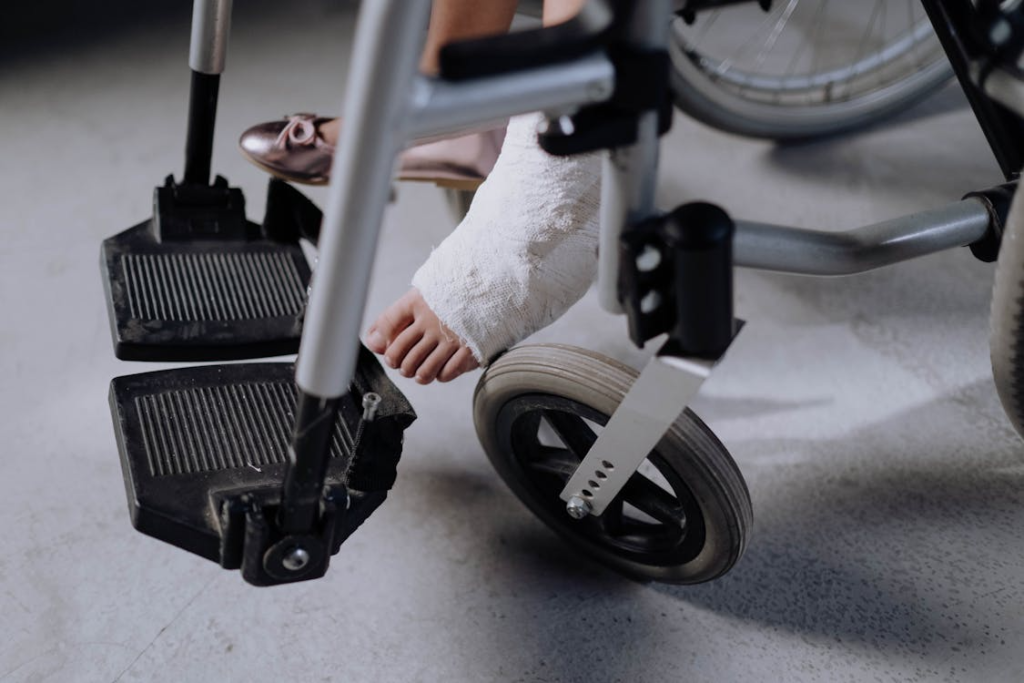
Learn why early documentation matters and how a personal injury attorney can protect your claim.
Financial fears and the cost of delay
Financial anxiety often stops people from visiting the emergency room or a specialist. Ironically, delaying treatment usually increases the total cost of care. Untreated injuries often require more invasive interventions later, such as surgery rather than physical therapy. Furthermore, failing to establish a medical record can lead to denied claims, forcing the victim to pay out of pocket for expenses that an insurance company should have covered. A car accident attorney can help navigate these financial concerns, ensuring that victims receive the care they need without sacrificing their legal rights.
Protecting Your Future with Ron Marquez Law Corp
At Ron Marquez Law Corp, we understand the complexities of post-accident hesitation syndrome and how it can complicate your path to justice. Our team works tirelessly to ensure that your personal injury & damage settlements in Chico reflect the true long-term impact of your collision. As a dedicated general practice firm, we provide the comprehensive support needed to navigate both medical and legal hurdles. If you are struggling with the aftermath of a crash, our personal injury attorney services can help you secure the compensation you deserve.
Do not let a delay in treatment jeopardize your recovery. Contact us today for a consultation to protect your legal rights and your health.