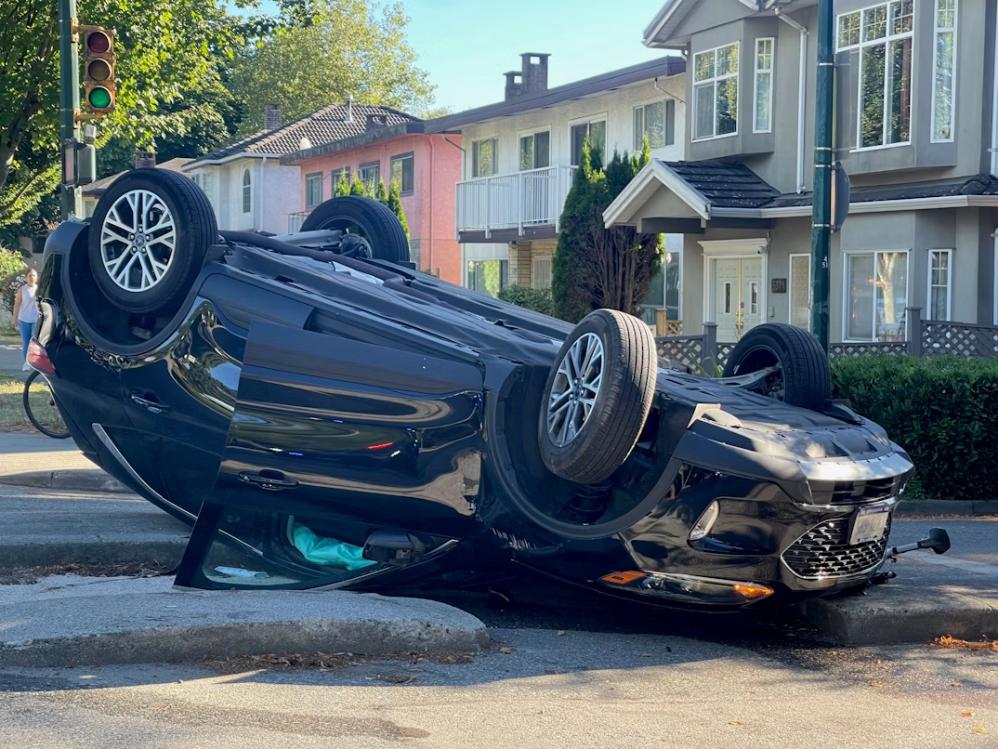
Continuing to drive a car that has an unresolved problem can create uncertainty. Does driving a defective vehicle under California Lemon Law mean the owner gives up the possibility of a claim? Not necessarily. Whether a vehicle remains operational is only one detail in a broader evaluation of its warranty, defect, and repair history.
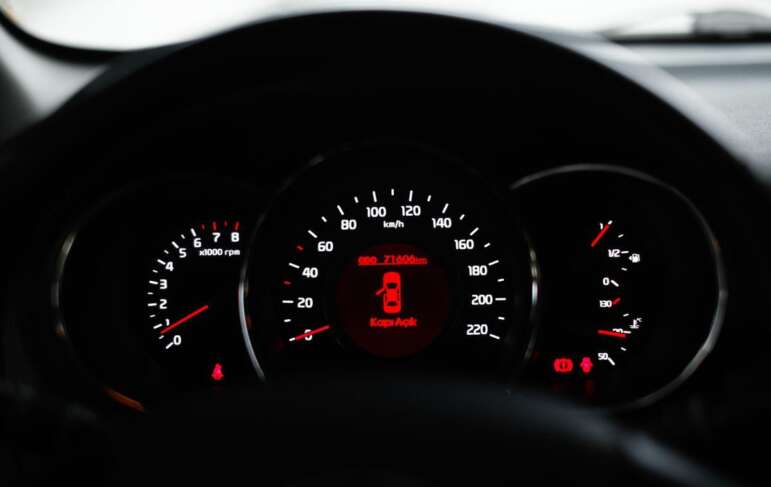
An owner with warranty-covered vehicle defects should pay attention to recurring symptoms, even when the car still starts and moves normally. Our discussion of repeated dashboard warning lights explains why symptoms that return after service deserve careful documentation.
Driving Does Not Automatically Determine Eligibility
California Lemon Law generally concerns qualifying vehicles with defects that substantially affect use, value, or safety and remain unresolved after reasonable repair opportunities. The California Department of Consumer Affairs Lemon Law FAQs describe manufacturer repurchase or replacement when a serious warranty problem cannot be corrected after an appropriate number of attempts.
A car may still be driven to work while experiencing a persistent electrical failure, hard shifting, or another significant defect. Continued use does not by itself prove that the problem is minor. Equally, a functional vehicle does not automatically establish that the legal requirements are satisfied.
What Matters When a Vehicle Still Operates
An evaluation should distinguish occasional inconvenience from a substantial impairment. Consider the frequency of the symptoms, whether the dealership has attempted the same repair, and what the warranty covers. Reports of unsuccessful dealership repairs become more informative when dates, mileage, and the precise complaint are preserved.
The state’s California Lemon Law Q&A explains specific presumption guidelines, but those benchmarks should not be treated as universal eligibility rules. Someone who keeps driving should still address dangerous symptoms promptly rather than assume a possible claim makes a risky car safe.
Keep Records of Driving Conditions and Repairs
Write down when a fault appears, driving conditions, warning messages, and how it affects braking, steering, performance, or reliability. Retain photographs where safe, dealership work orders, and communications with the manufacturer. Compare each new invoice with the earlier complaint to identify what actually changed.
If the vehicle stalls unexpectedly or otherwise seems unsafe, stop using it until a qualified professional assesses the problem. Safety decisions should come before concerns about preserving mileage or avoiding a dealership visit.

Organized records help connect symptoms with earlier repair visits.
Protect Your Options While the Car Remains in Use
For drivers considering Lemon Law claims in Yuba County, the best starting point is a factual account of the same recurring problem. Review our Yuba County Lemon Law information alongside the vehicle warranty and dealership paperwork.
A complete manufacturer repair history can show whether a recurring complaint was reported, what the dealership attempted, and whether the issue continued. This record is more useful than guessing whether continued driving helps or harms a claim.
At Ron Marquez Law Corp, we help drivers evaluate persistent vehicle problems under California Lemon Law. We can discuss how the available documentation relates to an individual situation. Contact our office to review your vehicle concerns.
Common Questions About Driving a Defective Car
Can a car qualify if it still drives?
Potentially. Eligibility depends on the warranty, seriousness of the defect, repair opportunities, and other facts, not simply whether the vehicle moves.
Should I continue driving an unsafe vehicle?
No. Avoid driving when a problem may make the vehicle unsafe, and arrange an appropriate inspection or transport.
Do intermittent defects matter?
They can. Record when the issue appears and give the dealer a clear description each time.