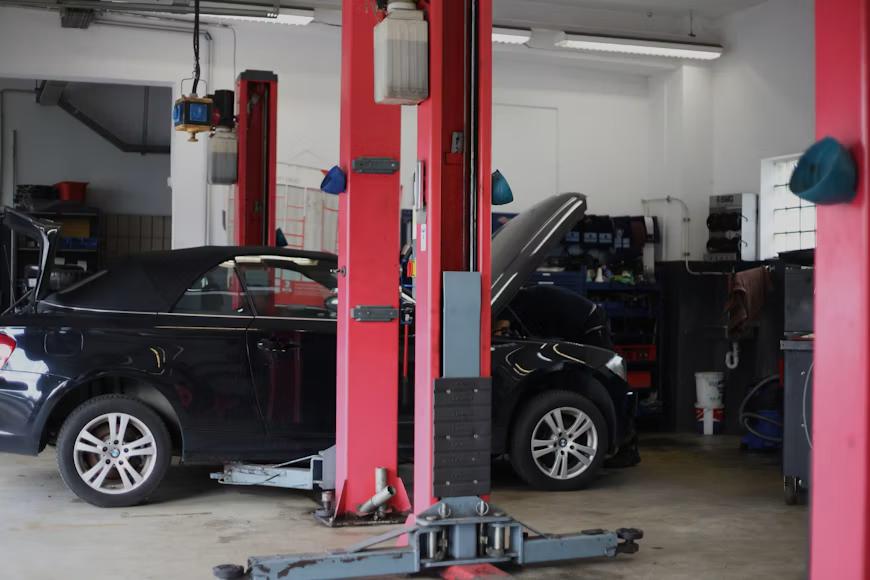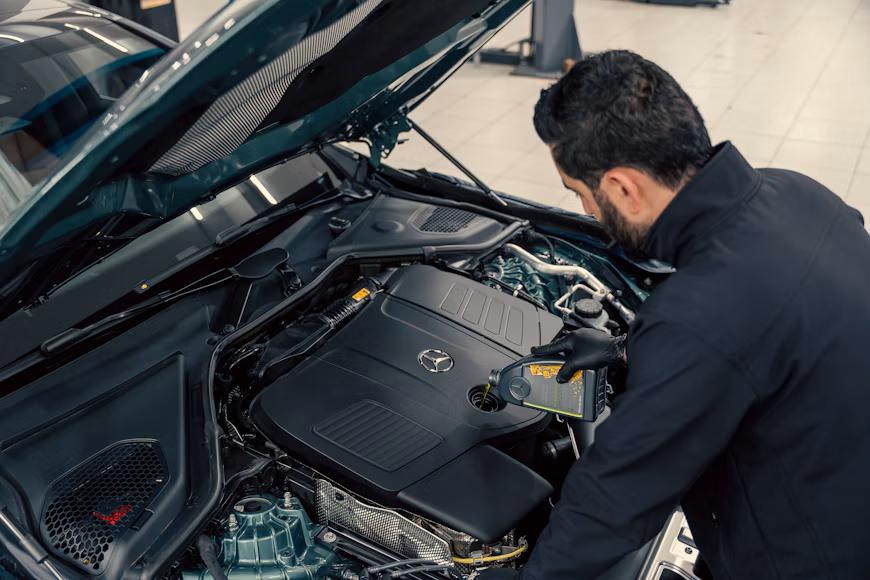

If your vehicle keeps going back to the shop and your manufacturer keeps asking for “just one more inspection,” you may be facing intentional delays.
Many consumers pursuing lemon law claims don’t realize that vague responses, repeated diagnostics, and stalled communication can be tactics designed to wear you down.
Understanding the manufacturer’s red flags early helps you protect your time, your documentation, and your legal rights under lemon law for defective vehicles.
1. Endless Diagnostic Requests Without Real Solutions
One of the most common stalling tactics is repeated testing without meaningful repairs. Manufacturers may claim they need more data while your car remains unreliable. If your vehicle has already undergone multiple unsuccessful repairs, additional diagnostics could simply be buying them time rather than solving the issue.
2. Vague or Scripted Communication
If you receive generic emails, unclear timelines, or customer service agents who keep repeating the same phrases, that’s a warning sign. Consumers deserve clear answers regarding repair progress and claim status. When communication lacks transparency, it may indicate the manufacturer is delaying resolution rather than addressing your concerns.
3. Long Gaps Between Appointments or Approvals
Unexplained delays between repair appointments or approval decisions can slow down your ability to build a strong case. Waiting weeks for parts or authorization might not always be legitimate. Keeping detailed records and consulting a lemon law attorney early ensures your documentation remains strong and your rights stay protected.
4. Sudden Requests for New Paperwork
Some manufacturers request additional documents late in the process, claiming missing information. While paperwork is necessary, repeated requests for minor details may signal stalling behavior. Always keep copies of service invoices, emails, and repair notes to avoid losing valuable evidence.

Every postponed response counts—don’t let quiet tactics cost you your lemon law case
5. Blaming Normal Wear and Tear
Another common tactic involves downplaying defects as routine maintenance issues. If your vehicle has recurring mechanical failures that affect safety or usability, these concerns may qualify under vehicle lemon law protections. Don’t let a manufacturer dismiss legitimate problems without proper evaluation.
6. How to Protect Yourself From Delays
Start by organizing every service record and communication from day one. Document repair attempts, note conversations with dealership staff, and track timelines carefully. Seeking advice from experienced lemon law experts can help you recognize whether delays are strategic and guide you toward the best next steps. Acting early prevents lost evidence and strengthens your case.
When manufacturers stall, they hope frustration will lead you to give up. Knowing the warning signs helps you stay in control and push for a fair resolution.
If your claim is being delayed, Ron Marquez Law Corp is ready to help. Our lemon law lawyer, experienced car lemon law attorney in Butte, CA, and trusted lemon car lawyer team fight for consumers facing defective vehicles. Don’t wait while manufacturers stall—contact us today to protect your rights and pursue the compensation you deserve. Reach out now.